What to Do If You Eat a Triple Burger During Ketosis: A 24-Hour Recovery Guide
Source: YouTube Shorts
You may regret it as soon as you finish: Am I out of ketosis? Have I undone a week of progress? Should I fast all day tomorrow to compensate?
Pause for a moment. A single high-carb meal usually produces short-term shifts; it rarely erases longer-term results. Metabolism is not strictly all-or-nothing. What matters most is how you respond next—without turning one meal into several days of off-plan eating. Below is what your body is likely experiencing, followed by a practical 24-hour recovery approach that avoids extremes.
What Happens in Your Body After a Triple Burger?
1) Temporary shift in fuel use
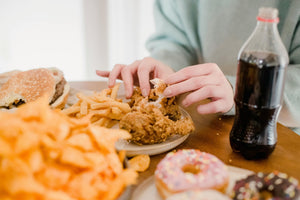
A typical burger meal includes more than the patty alone: buns, sauces, and sides can add substantial carbohydrate. Blood glucose and insulin may rise, and for a period your body may rely more on glucose than on fat and ketones. This is an expected physiological response; it does not mean long-term failure.
2) Common short-term symptoms
In the hours that follow, you may notice sleepiness, reduced mental clarity, thirst, mild bloating, or frustration. These symptoms are common and usually ease as the meal is processed. They reflect higher carbohydrate intake in the short term, not a permanent loss of ketosis.
3) Next-day weight changes
A sudden increase on the scale often reflects glycogen and fluid shifts rather than rapid fat gain overnight. A single reading is not sufficient reason to abandon your overall plan.
The Real Risk Is the Spiral, Not the Single Meal
What often causes more difficulty than the meal itself is the mindset that follows—for example, I have already slipped, so the rest of the day no longer counts. Interrupting that pattern early, beginning with your very next choice, usually matters more than the original deviation.
Your 24-Hour Recovery Plan
Step 1: Stabilize and stop additional high-carb intake
Hydrate, stop emotional snacking, and commit to recovery now, not next week.
Step 2: Use a 14-16 hour fasting window (if tolerated)
Example: finish dinner at 8:00 PM and break your fast between 10:00 AM and 12:00 PM next day. During fasting, use water, unsweetened tea, or black coffee if tolerated.
Step 3: Add 30-40 minutes of low-intensity cardio
Brisk walking, easy cycling, or incline walking works well. Maintain moderate intensity—enough that you could speak in full sentences. The goal is steady glucose use, not exhaustion.
Step 4: Make the next meal a recovery meal
- Very low carb: avoid starches, sugary drinks, and hidden-sugar sauces.
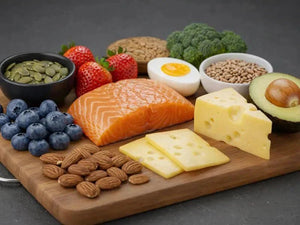
- Adequate protein: eggs, fish, chicken, beef.
- Moderate healthy fats: olive oil, avocado, nuts (portion-aware).
- Low-carb vegetables: leafy greens, broccoli, cucumber, zucchini.
A simple example: eggs, salmon, olive-oil salad, and unsweetened tea.
Step 5: Prioritize sleep and hydration
Sleep loss can increase cravings and reduce next-day control. Hydration helps reduce fatigue and false hunger cues.
How to Tell You Are Recovering Well
You may notice cravings settling, steadier energy, and less urge to compensate with another off-plan meal. You do not need an ideal ketone reading to recognize that your routine is stabilizing; consistent choices matter more than a single measurement.
If you track trends with Continuous Ketone Monitoring, you can use SiBio CKM trend data to see whether this was a short dip and when you are returning to baseline.
FAQ
Did one meal ruin ketosis completely?
In most cases, the effect is temporary. You may be off your usual pattern briefly; that is different from a permanent setback.
Should I fast the whole next day?
For many people, a 14–16 hour overnight fasting window is more practical and sustainable than attempting a full-day fast.
Should I do high-intensity training to recover faster?
It is not required. Low-intensity cardio is often easier to sustain and less likely to trigger rebound hunger.
Why did my weight jump overnight?
Short-term increases are often related to glycogen and fluid balance rather than rapid fat gain from one meal.
What matters most?
The quality of your next decisions. Repeated, steady recovery is usually more sustainable than aiming for an uninterrupted streak.
Final Takeaway
A single high-carb meal during ketosis is a temporary detour, not a reason to abandon your overall approach. With hydration, adequate sleep, an optional short fasting window if it is appropriate for you, light activity, and a structured low-carb next meal, most people can return to their usual rhythm within about a day.
References
- National Center for Biotechnology Information (NCBI). (2025). The Ketogenic Diet: Clinical Applications, Evidence-based Indications, and Implementation [StatPearls]. https://www.ncbi.nlm.nih.gov/books/NBK499830/
- Centers for Disease Control and Prevention (CDC). (2024). Benefits of physical activity. https://www.cdc.gov/physical-activity-basics/benefits/index.html
- Centers for Disease Control and Prevention (CDC). (2024). Adult activity: an overview. https://www.cdc.gov/physical-activity-basics/guidelines/adults.html
- Sun ML, Yao W, Wang XY, et al. (2024). Intermittent fasting and health outcomes: an umbrella review of systematic reviews and meta-analyses of randomised controlled trials. eClinicalMedicine, 70, 102519. https://doi.org/10.1016/j.eclinm.2024.102519
- Cleveland Clinic. (2024). Why does my weight fluctuate so much? https://health.clevelandclinic.org/weight-fluctuations
Disclaimer
This article is for educational purposes only and does not replace professional medical advice, diagnosis, or treatment. Always seek the advice of your physician or another qualified health provider with any questions you may have regarding a medical condition.
Author Information
This article was written by the SiBio Professional Health Content Team, focused on evidence-based metabolic health and keto education content.
Last Updated: April 10, 2026