How to Enter Ketosis Effectively and Avoid Common Keto Mistakes
How to Enter Ketosis Effectively
Successfully entering ketosis requires a structured approach. This video outlines three essential steps:
1. Set the Right Macronutrient Ratio
-
Fat: 70–80% of total intake
-
Protein: 20–25%, moderate amounts from fish, eggs, meat
-
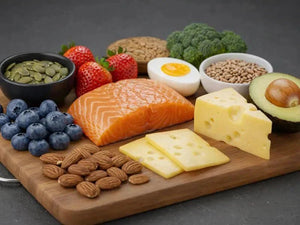
Carbohydrates: Less than 50g net carbs per day Focus on healthy fats like avocado, olive oil, nuts, and salmon. Choose non-starchy vegetables such as broccoli, zucchini, and spinach.
2. Track Net Carbohydrates Carefully
-
Net carbs = Total carbs – fiber
-
Watch for hidden sugars in condiments and packaged foods
-
Example: 1 tbsp of ketchup contains ~4g net carbs Use apps like Carb Manager to stay consistent and within limits.
3. Replenish Electrolytes to Prevent Keto Flu
Low insulin levels lead to sodium loss through the kidneys. This can cause fatigue, cramps, and headaches during keto adaptation. To prevent symptoms:
-
Sodium: ~5g/day (salt, broth)
-
Potassium: ~3.5g/day (spinach, avocado)
-
Magnesium: ~400mg/day (leafy greens or supplements)
These minerals support hydration, nerve function, and muscle performance during the keto transition.
Common Mistakes That Disrupt Ketosis
Even with good intentions, beginners often fall into these traps:
1. Eating Too Much Protein
-
Excess protein may trigger gluconeogenesis, turning it into glucose
-
Limit: ~110g/day for a 70kg individual
-
Stay within moderate protein ranges to support ketosis
2. Lacking Essential Micronutrients
-
Cutting fruits and grains can reduce vitamin C and B-vitamin intake
-
Solutions:
-
Red bell peppers (rich in Vitamin C)
-
Beef liver (high in B12 and iron with low carbs)
-
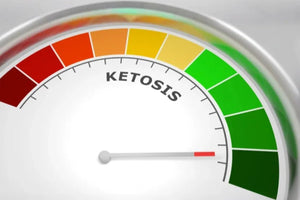
3. Over-Focusing on Ketone Readings
-
Post-exercise ketone levels may drop temporarily
-
This doesn’t mean you’re out of ketosis—it shows active ketone use
-
Better indicators:
-
Steady energy
-
Reduced hunger
-
Enhanced mental clarity
-
Don’t chase a number—focus on how you feel.
Final Tips for a Smooth Keto Start
To summarize the path to nutritional ketosis:
-
Prioritize healthy fats
-
Keep protein moderate
-
Limit net carbs to under 50 grams
-
Track your intake and adjust daily
-
Replenish electrolytes consistently
-
Avoid high-protein intake, micronutrient gaps, and obsessive tracking
If you have chronic health issues, are pregnant, or have kidney/liver concerns, consult a doctor before beginning the ketogenic diet.
FAQ
Q: Can I eat fruit on a ketogenic diet?
A: Most fruits are high in sugar, but small portions of berries like raspberries or blackberries can fit within the daily net carb limit.
Q: How long does it take to reach ketosis?
A: With proper carb restriction, most people enter ketosis in 2–4 days, though this may vary based on activity level and metabolism.
Q: Do I have to test ketones every day?
A: No. Physical signs like steady energy, reduced appetite, and mental clarity are often more meaningful than blood readings alone.