How to Get Back Into Ketosis Quickly After Christmas
Source: YouTube
Christmas can turn a steady keto routine into a messy 48-hour blur: one dessert becomes leftovers, leftovers become grazing, and the next ketone reading may look lower than expected. The useful question is not whether the holiday “ruined” ketosis. It is what to do next so your body has a clear path back.
This guide walks through a practical 24- to 72-hour reset: what to eat first, when a short fasting window may help, how light movement fits in, how to hydrate, and how to read ketone trends without overreacting to one number. It also explains who should be more cautious with fasting, strict carb restriction, or electrolyte changes.
Start With the Real Problem: The Holiday Eating Window
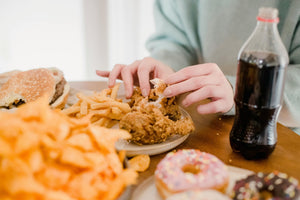
Most people do not lose momentum from one Christmas meal alone. The harder part is the open-ended eating window around it: sweet drinks, dessert bites, sauces, alcohol, leftovers, and “just today” snacks that continue into the next day. That pattern keeps carbohydrate availability higher for longer, which can delay the return of ketone production.
So the first step is not fasting. It is closure. Decide when the holiday eating window ends, remove obvious trigger foods from your normal path, and make the next meal intentionally low carb. This turns recovery from an emotional reaction into a simple sequence.
Why Ketones May Drop After Christmas
After a higher-carb holiday meal, the body usually has more glucose available. Insulin may rise, glycogen stores may be replenished, and the liver may temporarily produce fewer ketones. Ketogenic diets are typically built around substantial carbohydrate restriction, often below about 50 grams per day in common research descriptions, because lower carbohydrate availability helps create the conditions for nutritional ketosis.[4]
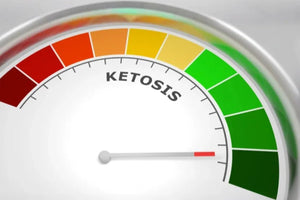
That does not mean you have failed. It means your body is responding to the fuel it received. During fasting or carbohydrate restriction, glycogen is gradually used, glucose availability falls, and circulating ketones can rise as the body shifts toward using fat-derived fuels.[2] The return is a process, not a switch.
Water weight can also confuse the picture. Carbohydrate intake, sodium, alcohol, sleep disruption, and digestive volume can all change how you feel and what the scale says the next morning. A low ketone reading or a higher body weight the day after Christmas should be interpreted as context, not as a reason to abandon the plan.
Your 24- to 72-Hour Christmas Keto Reset
1. Make the next meal low carb and complete
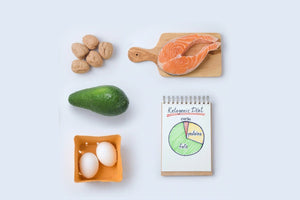
Your first recovery meal should be simple and complete: protein, non-starchy vegetables, and enough fat to feel satisfied. Think eggs with avocado and spinach, salmon with greens and olive oil, chicken with broccoli and butter, or a bun-free burger bowl with salad and a low-sugar dressing.
Do not make the meal tiny just because Christmas was heavy. Under-eating can make cravings louder and turn recovery into another willpower contest. A complete low-carb meal gives your body a clearer metabolic signal and gives your brain a calmer next decision.
2. Use a short fasting window only if it fits
A manageable overnight fasting window, such as 12 to 16 hours, may help some people return to ketosis because it reduces incoming glucose and gives the body time to use stored energy. Research on intermittent fasting describes eating patterns where fasting periods are followed by feeding periods, with metabolic changes that can include lower glucose, glycogen depletion, and higher circulating ketones.[2]
More fasting is not automatically better. If fasting makes you anxious, triggers overeating, disrupts sleep, or conflicts with a medical condition or medication, use structured low-carb meals instead. The goal is to regain rhythm, not to punish the holiday.
3. Add light cardio or normal training
Movement can support the reset by helping the body use stored fuel. A brisk walk, easy bike ride, light resistance session, or your normal workout can all be reasonable. If you slept poorly or drank alcohol, choose gentle movement over a hard workout.
Exercise can also make ketone readings look temporarily confusing. Ketone bodies such as beta-hydroxybutyrate can rise during fasting and prolonged exercise, but the timing and size of the change depend on intensity, duration, and individual adaptation.[3] This is why the trend matters more than a single post-workout measurement.
4. Hydrate and rebuild electrolytes sensibly
When you move back into low-carb eating, fluid and sodium balance can shift. Headache, fatigue, dizziness, or cramps during a keto reset may relate partly to hydration and electrolytes. Water, salty whole foods or broth if appropriate, leafy greens, avocado, nuts, and seeds can all support a more comfortable transition.
Be careful with supplement-style advice. People with kidney disease, high blood pressure, heart disease, diabetes, or medication use should ask a qualified clinician before changing sodium, potassium, magnesium, fasting, or carbohydrate intake.
5. Watch the trend, not the panic number
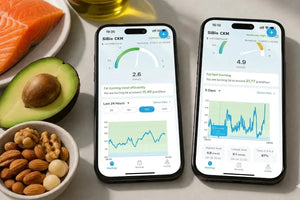
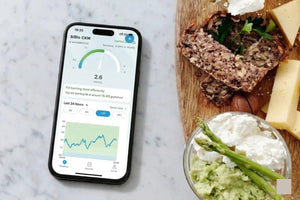
If you track ketones, measure in a repeatable context: morning fasting, before dinner, or before and after the same type of meal. Continuous Ketone Monitoring can help because it shows direction and timing instead of only isolated snapshots. A short dip after Christmas is less important than whether the pattern starts moving upward after low-carb meals, sleep, hydration, and movement.
This is where continuous monitoring can be useful: it helps you see whether your recovery is moving in the right direction across meals, sleep, activity, and the next fasting window. A single reading can feel dramatic, but a multi-hour pattern can show whether the dip is temporary or whether the reset needs more consistency.
What to Avoid During the Reset
Avoid the common rebound mistake: trying to erase Christmas with an extreme plan. Very long fasts, excessive exercise, dehydration tactics, or severe calorie restriction may create more cravings and make the next off-plan episode more likely.
Also avoid “dirty keto” thinking during recovery. It is possible to keep carbs low while still eating a diet that is poor in fiber, micronutrients, and overall quality. Reviews of ketogenic diets have raised concerns that very restrictive patterns may reduce fruits, legumes, whole grains, and other protective foods if they are not replaced thoughtfully.[5] After Christmas, a better reset is simple whole-food keto, not just any food that fits a carb count.
How Long Does It Usually Take?
Many people may see ketones rise again within 24 to 72 hours after a single high-carb holiday meal, but that is only a practical range. The timing depends on how many high-carb meals you had, your previous keto adaptation, activity level, sleep, alcohol intake, stress, total calories, and personal metabolism.
Use this decision rule: if cravings are calming down, hunger is steadier, glucose swings feel less dramatic, and ketones are trending upward, you are moving in the right direction. If ketones are still low after one day, repeat the basics before adding more aggressive tactics.
Who Should Be More Cautious?
Some people should not use fasting, strict carbohydrate restriction, or supplement changes casually. Published reviews emphasize that ketogenic diet use should be considered carefully in people with relevant medical risks and, in therapeutic contexts, assessed patient by patient by appropriately trained medical professionals.[1]
Be especially cautious if you have diabetes, kidney disease, liver disease, heart disease, a history of eating disorders, pregnancy or breastfeeding, or medications that affect glucose, blood pressure, or fluid balance. In those cases, the safest reset is the one your clinician agrees is appropriate.
FAQ
Can I get back into ketosis in one day?
Some people may, especially after only one higher-carb meal. Others may need two or three days. The most reliable approach is low-carb consistency, hydration, sleep, and reasonable movement.
Should I fast all day after Christmas?
Not usually. A moderate overnight fasting window may help some people, but a full-day fast is not necessary for everyone and can backfire if it increases cravings or stress.
Is cardio required?
No. Light cardio can help, but walking or normal training is enough for many people. The best exercise is the one you can recover from and repeat.
Why did my ketone reading drop even after exercise?
Ketone readings can move in different directions after exercise depending on timing, intensity, and whether your body is using or producing ketones at that moment. Look at the day-long or multi-day trend.
What should my first keto meal be?
Choose a low-carb complete meal: protein, non-starchy vegetables, and satisfying fat. Keep it simple so it is easy to repeat.
Conclusion
Getting back into ketosis after Christmas is less about a dramatic hack and more about closing the holiday eating window. Start with a complete low-carb meal, use a reasonable fasting window if it suits you, add light movement, hydrate, sleep, and track the trend. One holiday meal may interrupt the signal, but the next few choices can make the path back clear.
References
- Watanabe M, Tuccinardi D, Ernesti I, et al. (2020). Scientific evidence underlying contraindications to the ketogenic diet: An update. Obesity Reviews, 21(10), e13053. https://pmc.ncbi.nlm.nih.gov/articles/PMC7539910/
- Duregon E, Pomatto-Watson LCD, Bernier M, Price NL, de Cabo R. (2021). Intermittent fasting: from calories to time restriction. GeroScience, 43(3), 1083-1092. https://pmc.ncbi.nlm.nih.gov/articles/PMC8190218/
- Newman JC, Verdin E. (2014). Ketone bodies as signaling metabolites. Trends in Endocrinology & Metabolism, 25(1), 42-52. https://pmc.ncbi.nlm.nih.gov/articles/PMC4176946/
- Paoli A, Rubini A, Volek JS, Grimaldi KA. (2013). Beyond weight loss: a review of the therapeutic uses of very-low-carbohydrate ketogenic diets. European Journal of Clinical Nutrition, 67(8), 789-796. https://pmc.ncbi.nlm.nih.gov/articles/PMC3826507/
- Crosby L, Davis B, Joshi S, Jardine M, Paul J, Neola M, Barnard ND. (2021). Ketogenic diets and chronic disease: Weighing the benefits against the risks. Frontiers in Nutrition, 8, 702802. https://www.frontiersin.org/articles/10.3389/fnut.2021.702802/full
Disclaimer
This article is for educational purposes only and is not medical advice. Ketogenic diets, fasting, exercise changes, and electrolyte strategies may not be appropriate for everyone. Always consult a qualified healthcare professional before making major dietary changes, especially if you have a medical condition, are pregnant or breastfeeding, or take prescription medications.
Author Information
SiBio Professional Health Content Team
Last Updated: Mar 29, 2026