How Ketones and Glucose Interact: Understanding Metabolic Balance and the GKI
What Are Ketones and Glucose? (Basic Definitions)
-
Ketones are energy molecules created by the liver when carb intake is low
-
Primary form: Beta-hydroxybutyrate (BHB)
-
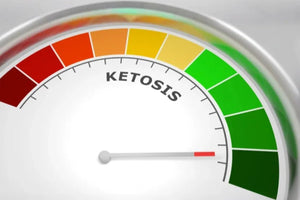
Nutritional ketosis begins when BHB > 0.5 mmol/L
-
-
Glucose is the body’s default energy source from carbohydrates
-
Healthy fasting level: under 85 mg/dL (≈4.7 mmol/L)
-
These two fuels are inversely related and regulated by hormones, forming a core part of your metabolic flexibility.
How Ketones and Glucose Interact
-
Insulin and glucagon regulate how the body switches between glucose and ketones:
-
After a high-carb meal, insulin increases, blocking fat breakdown → ketone levels drop
-
During fasting or low-carb intake, insulin drops and glucagon rises → fat is converted into ketones
-
-
Threshold effects:
-
When glucose drops below 4.4 mmol/L, ketone production sharply increases
-
In low-carb adaptation, typical levels:
-
Glucose: 3.9–4.4 mmol/L
-
Ketones: 1.0–3.0 mmol/L
-
-
-
Fuel partitioning by tissue:
-
Brain and muscle shift to ketones
-
Red blood cells and renal medulla continue to rely on glucose
-
-
Exception: Diabetic Ketoacidosis (DKA)
-
In type 1 diabetes, lack of insulin causes glucose > 13.9 mmol/L and ketones > 5 mmol/L
-
This is a dangerous medical emergency, not nutritional ketosis
-
The Glucose Ketone Index (GKI): A Metabolic Snapshot
-
GKI = Glucose (mmol/L) ÷ Ketones (mmol/L)
-
Interpreting your GKI:
-
3–6: Balanced ketosis, ideal for fat-burning and mental clarity
-
<3: Deeper ketosis, useful for therapeutic goals like epilepsy or insulin resistance
-
-
Why it matters:
-
Tracks the balance between glucose and ketones
-
Helps optimize fasting, exercise, and meal timing
-
Reveals real-time metabolic adaptations
-
Conclusion: Why You Should Track Both
Ketones and glucose operate as a dual-fuel system, constantly shifting based on:
-
Food intake
-
Hormonal state
-
Fasting patterns
-
Exercise
Measuring both helps you:
-
Understand your metabolic state
-
Adjust your diet and habits
-
Improve fat-burning efficiency and energy consistency
For deeper insights, track your GKI regularly to see how your body responds over time.
FAQ
Q: What is a good GKI range for weight loss? A: A GKI between 3 and 6 is ideal for fat-burning and general metabolic health.
Q: Should I track glucose and ketones daily? A: Daily tracking can be useful when adjusting your routine, but weekly patterns are more important than isolated numbers.
Q: Can I stay in ketosis with higher glucose? A: Not usually. Elevated glucose often signals insulin activity, which suppresses ketone production.