What Not to Eat on Keto: A Practical No-No List
Keto is not just a list of forbidden foods. It is a very-low-carbohydrate, higher-fat, moderate-protein eating pattern designed to shift the body toward greater ketone production. That means the real question is not simply “Is this food healthy?” but “Does this food fit my carb budget, my goals, and my response?”
This practical keto no-no list explains the food categories most likely to interrupt ketosis, the hidden-carb traps beginners often miss, and the smarter swaps that make the diet easier to follow. It also updates one common misconception: not every sugar substitute automatically “breaks keto,” but labels and individual response still matter.
What “Not to Eat on Keto” Really Means
A ketogenic diet usually limits digestible carbohydrate enough to support nutritional ketosis. Clinical and educational references commonly describe keto as high fat, very low carbohydrate, and moderate protein, with exact targets varying by person and use case.[1] For many everyday keto users, that means keeping net carbs low, prioritizing whole foods, and avoiding foods that quickly add sugar or starch.
“Avoid” does not always mean a food is unhealthy for everyone. Beans, fruit, milk, and whole grains can be nutritious in other eating patterns. On strict keto, however, their carbohydrate load may make ketosis harder to maintain. The goal is context, not fear.
1. Added Sugars and Syrups
Sugar is the most obvious keto no-no. Table sugar, brown sugar, honey, maple syrup, agave, coconut sugar, and many dessert toppings are concentrated sources of carbohydrate. The FDA defines added sugars as sugars added during processing, packaged sweeteners, syrups, honey, and concentrated fruit or vegetable juices.[2]
Watch for sugar under less familiar names: dextrose, maltose, cane juice, rice syrup, corn syrup, evaporated cane juice, and fruit juice concentrate. Even small servings can add up quickly when your daily carb allowance is low.
Better keto swaps: unsweetened coffee or tea, sparkling water, cinnamon, vanilla extract, small amounts of approved non-sugar sweeteners, or naturally low-carb flavorings.
2. Grains, Bread, Pasta, Rice, and Cereal
Grains and grain-based foods are usually too starch-heavy for strict keto. Bread, pasta, rice, oats, crackers, cereal, tortillas, and most baked goods break down into glucose during digestion. Even “whole grain” versions may exceed a keto carb target in a normal serving.
This does not mean all grain alternatives are automatically healthy. Some “keto breads” and packaged low-carb baked goods rely on fibers, starches, and sweeteners that affect people differently. Check total carbs, fiber, sugar alcohols, serving size, and your own ketone pattern.
Better keto swaps: cauliflower rice, zucchini noodles, cabbage noodles, lettuce wraps, egg wraps, almond flour recipes, coconut flour recipes, and meals built around protein, fat, and non-starchy vegetables.
3. High-Carb Fruits
Fruit contains naturally occurring sugars along with water, fiber, vitamins, and phytochemicals. That makes fruit different from candy, but it does not make every fruit keto-friendly in unlimited amounts. Bananas, grapes, mangoes, pineapple, dried fruit, and fruit juice can add carbs quickly.
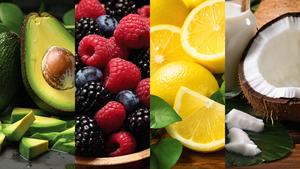
Berries are often easier to fit into keto because a small portion can provide flavor and fiber with fewer carbs than many tropical fruits. Strawberries, raspberries, and blackberries are common choices, but portion size still matters.

4. Beans, Lentils, and Most Legumes
Legumes can be rich in fiber, minerals, and plant protein, but they also contain starch. Lentils, chickpeas, black beans, kidney beans, pinto beans, and hummus can push carbs higher than many keto plans allow.
For someone following a flexible low-carb pattern, small portions may be workable. For someone aiming for nutritional ketosis, legumes are usually limited or saved for a later maintenance phase. Low-carbohydrate reviews often emphasize personalization because carbohydrate tolerance and goals vary widely.[3]
Better keto swaps: leafy greens, broccoli, cauliflower, zucchini, mushrooms, asparagus, cucumber, avocado, and small portions of nuts or seeds when you want texture.
5. Potatoes, Sweet Potatoes, and Starchy Vegetables
Root vegetables and starchy vegetables can be nutritious, but they are usually not strict-keto staples. Potatoes, sweet potatoes, yams, corn, peas, parsnips, and large servings of carrots can bring a high starch load.
A helpful rule is to build most plates around non-starchy vegetables. This keeps meals more filling and micronutrient-rich without relying on large carb portions. It also helps avoid the common beginner mistake of removing vegetables entirely.
Better keto swaps: mashed cauliflower, roasted radishes, cauliflower gratin, zucchini, spinach, kale, cabbage, and broccoli with olive oil, butter, or a full-fat sauce that fits your macros.
6. Sugary Drinks and Juice
Soda, sweet tea, lemonade, sports drinks, energy drinks, sweetened coffee beverages, smoothies, and fruit juice can deliver a large amount of sugar without much satiety. They are also easy to underestimate because they do not feel like a “meal.”
For keto, liquid carbs are often one of the first places to clean up. If a drink tastes sweet, check the label before assuming it is carb-free.
Better keto swaps: water, mineral water, unsweetened tea, black coffee, cold brew without syrup, or sparkling water with no added sugar.
7. High-Sugar Sauces and Condiments
Condiments can quietly turn a low-carb meal into a higher-carb meal. Ketchup, barbecue sauce, sweet chili sauce, teriyaki sauce, honey mustard, many salad dressings, and marinades often contain added sugars.
The FDA notes that the Nutrition Facts label lists grams and percent Daily Value for added sugars, which can help shoppers compare products.[2] For keto, the ingredient list matters too because sugar may appear under different names.
Better keto swaps: mustard, mayonnaise without added sugar, vinegar, olive oil, pesto, hot sauce without sugar, lemon juice, herbs, spices, and homemade dressings.
8. Highly Processed “Keto” or “Low-Fat” Foods
Many low-fat or diet products replace fat with sugar, starches, or fillers. On the other side, some packaged “keto” snacks technically fit a carb count but are easy to overeat or may not support diet quality.
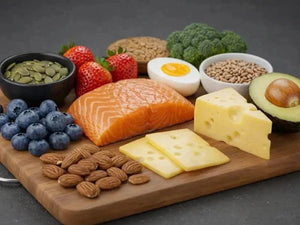
A well-formulated keto pattern is not just about staying under a carb number. Reviews of low-carbohydrate dietary patterns emphasize the importance of whole, minimally processed foods, adequate protein, and sufficient minerals.[3] In practice, that means a plate of eggs, avocado, salmon, olive oil, and vegetables is usually a stronger keto foundation than a stack of low-carb cookies.
9. Alcohol, Especially Beer and Sweet Cocktails
Alcohol is not automatically high carb, but many alcoholic drinks are. Beer, hard cider, dessert wine, sweet cocktails, liqueurs, margaritas, and mixed drinks with juice or soda can add sugar quickly.
Alcohol can also make food decisions harder, affect sleep, and add calories without much nutrition. The NIAAA explains that drink size alone does not define alcohol content, and that a standard U.S. drink contains about 14 grams of pure alcohol.[4] If you drink, keep it occasional, moderate, and label-aware.

10. Milk, Sweetened Yogurt, and Dessert-Style Dairy
Dairy can fit keto, but the type matters. Milk contains lactose, a natural sugar. Sweetened yogurt, flavored milk, frozen yogurt, and many dairy desserts often contain both lactose and added sugar.
Lower-carb dairy options include butter, heavy cream, many cheeses, and unsweetened Greek-style yogurt in portions that fit your carb target. Choose based on your digestion, goals, and overall calorie needs.
What About Artificial Sweeteners?
The old version of many keto lists says all artificial sweeteners should be eliminated. That is too broad. The FDA states that approved high-intensity sweeteners such as aspartame, sucralose, saccharin, acesulfame potassium, neotame, and advantame are safe for the general population under certain conditions of use, while people with PKU should avoid or restrict aspartame.[5]
For keto, the practical question is different from the safety question. Some sweetener products are mixed with fillers such as maltodextrin or dextrose, and some people find sweet tastes increase cravings. Others use non-sugar sweeteners without obvious issues. If you use them, read labels and watch your own response.
How Continuous Ketone Monitoring Can Help
Food lists are useful, but keto is personal. The same sauce, fruit portion, protein bar, or low-carb dessert may affect two people differently. A single ketone reading can also be misleading because ketones shift with meals, fasting windows, exercise, sleep, stress, and adaptation stage.
Continuous Ketone Monitoring can help you see patterns instead of guessing from one isolated number. The goal is not to chase the highest ketone value. It is to learn which meals and habits support a stable ketogenic routine for you.
FAQ
Can I eat fruit on keto?
Yes, in moderation, but choose your fruit carefully. Berries such as strawberries and raspberries generally contain fewer carbs per serving than fruits like bananas, making small portions easier to include within your daily carb limit. Portion size still matters: eating too much can push you over that limit and disrupt ketosis.
Do I have to avoid all grains forever?
Strict keto usually limits grains because they are high in starch. Some people reintroduce small portions during maintenance, but that depends on goals, tolerance, and ketone response.
Are net carbs or total carbs better to track?
Many keto users track net carbs, calculated as total carbohydrates minus fiber. Some people do better tracking total carbs, especially if sugar alcohols or packaged low-carb foods affect cravings or ketone trends.
Is coffee allowed on keto?
Plain coffee is usually keto-compatible. The issue is what you add: sugar, flavored syrups, sweetened creamers, and milk can raise carbs quickly.
Who should be cautious with keto?
People who are pregnant, breastfeeding, have diabetes, kidney disease, liver disease, pancreatic disease, gallbladder issues, eating disorder history, or take glucose-lowering, blood-pressure, or diuretic medications should seek medical guidance before making major diet changes.
Conclusion
The keto no-no list is not about labeling foods as morally good or bad. It is about understanding which foods tend to raise carbohydrate intake beyond a ketogenic threshold. Sugars, starches, sweet drinks, high-carb fruits, legumes, starchy vegetables, sweet sauces, many processed foods, beer, cocktails, milk, and sweetened dairy are the biggest places to pay attention.
For a healthier keto routine, focus on repeatable meals built from protein, fat, low-carb vegetables, hydration, and enough minerals. Use labels, portions, and ketone trends as feedback. Keto works best when it becomes a sustainable system, not a fear-based food list.
References
- Daley SF, Masood W, Annamaraju P, Khan Suheb MZ. (2025). The ketogenic diet: Clinical applications, evidence-based indications, and implementation. StatPearls, NCBI Bookshelf. https://www.ncbi.nlm.nih.gov/books/NBK499830/
- U.S. Food and Drug Administration. (2026). Added sugars on the Nutrition Facts label. https://www.fda.gov/food/nutrition-facts-label/added-sugars-nutrition-facts-label
- Volek JS, Phinney SD, Krauss RM, et al. (2021). Alternative dietary patterns for Americans: Low-carbohydrate diets. Nutrients, 13(10), 3299. https://pmc.ncbi.nlm.nih.gov/articles/PMC8537012/
- National Institute on Alcohol Abuse and Alcoholism. (n.d.). What is a standard drink? https://www.niaaa.nih.gov/alcohols-effects-health/what-standard-drink
- U.S. Food and Drug Administration. (2014). High-intensity sweeteners. https://www.fda.gov/food/food-additives-petitions/high-intensity-sweeteners
Disclaimer
This article is for educational purposes only and is not medical advice. A ketogenic diet may not be appropriate for everyone, especially people who are pregnant, breastfeeding, have diabetes, kidney disease, liver disease, pancreatic disease, gallbladder issues, eating disorder history, or take prescription medications. Consult a qualified healthcare professional before making major diet changes.
Author Information
SiBio Professional Health Content Team
Last Updated: September 23, 2026