Why Do Keto Beginners Feel So Hungry? Understanding Early Ketosis Hunger
Source: YouTube — SiBio CKM
You cut the carbs, stocked up on eggs and avocado, and expected your appetite to finally settle down. Instead, an hour after a full keto meal, your stomach is growling and all you can think about is bread.
If this sounds familiar, you are not doing keto wrong. Intense hunger in the first few days of carbohydrate restriction is one of the most commonly reported experiences among beginners — and in most cases, it has a clear physiological explanation. Understanding why it happens can make the difference between pushing through and giving up before the adaptation is complete.
This article explains the three main drivers of early keto hunger, what can make it worse, when it may begin to ease, and a practical set of strategies that may help you get through the transition more comfortably.
What Is Actually Changing in Your Body?
When you significantly reduce carbohydrate intake, your body begins a metabolic transition. For most people accustomed to a standard diet, glucose from carbohydrates has been the primary and readily available fuel source — particularly for the brain.
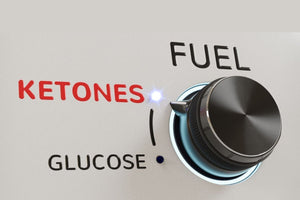
In the first days of keto, stored glycogen (the body's carbohydrate reserve, held primarily in the liver and muscle) is progressively used up. As glycogen falls, blood glucose and insulin tend to drop, and the liver begins producing ketone bodies from fat as an alternative fuel [1]. This transition can take anywhere from a few days to a week or more depending on the individual, prior diet, activity level, and metabolism [1].
During this metabolic in-between period — when glucose is running low but fat and ketone use has not yet ramped up fully — the body can send mixed fuel signals. Hunger is often one of them.
Three Reasons Hunger Spikes in Early Ketosis
1. The Brain Is Still Adapting to Ketones
The brain accounts for a large proportion of the body's energy demand and, under normal conditions, runs primarily on glucose. When carbohydrate is cut drastically, blood glucose falls and the brain begins shifting to ketones — but this shift is not instant. During the adaptation window, the brain may signal hunger more intensely as a way of pushing the body to find more fuel [2].
This is often why beginners report a particular kind of craving during early keto: not general physical discomfort, but a strong pull toward carbohydrate-rich foods. In many cases, this reflects the brain seeking the fuel type it is most accustomed to rather than a true calorie deficit.
2. Hunger Hormones May Shift Temporarily
Ghrelin — often described as a hunger hormone — can respond to changes in eating pattern and energy availability. Research suggests that acute energy restriction or significant dietary change may influence ghrelin levels in the short term, which can amplify hunger signals [3].
Interestingly, well-established ketosis over several weeks has been associated with reduced appetite in some studies [4], possibly because ketone bodies themselves may have appetite-suppressing effects. However, this benefit tends to emerge after the adaptation period, not during it. The early phase, by contrast, may involve a temporary window of elevated hunger before these hormonal effects stabilize.
3. Electrolyte and Fluid Shifts Create False Hunger Cues
Lower carbohydrate intake can reduce insulin levels, which in turn may increase sodium and water excretion through the kidneys [1]. This fluid shift is one reason why some beginners lose several pounds quickly in the first week — and why they may also experience fatigue, headaches, or dizziness often associated with the so-called "keto flu."
What is less commonly discussed is that dehydration and electrolyte imbalance can also mimic hunger. When the body is low on sodium, potassium, or magnesium, the resulting fatigue and discomfort can be misread as a need to eat more. In some cases, what feels like relentless hunger may be partly driven by fluid and electrolyte depletion rather than a genuine calorie deficit [1].
What Can Make Early Hunger Worse
Several common beginner mistakes can amplify the hunger experience during early keto:
- Not eating enough fat. On a ketogenic diet, fat replaces carbohydrate as the primary energy source. If someone reduces carbs without meaningfully increasing dietary fat, total calorie intake can fall short, leaving genuine hunger unaddressed. Fat also contributes to satiety by slowing gastric emptying and influencing fullness signals.
- Insufficient protein. Protein is among the most satiating macronutrients. Keeping protein intake adequate — not excessive, but sufficient — can help blunt hunger between meals. Replacing carbs primarily with vegetables while underconsuming both fat and protein is a common pattern that may intensify hunger.
- Skipping electrolytes. As described above, fluid and electrolyte loss during early keto can create sensations that overlap with hunger. Sodium, potassium, and magnesium are particularly worth paying attention to during the adaptation phase [1].
- Poor sleep. Sleep deprivation is associated with elevated ghrelin and increased appetite [3]. Beginners already navigating metabolic change may find that poor sleep makes hunger significantly harder to manage.
- Hidden carbohydrates. Sauces, condiments, flavored drinks, processed snacks, and packaged foods often contain more sugar than expected. If carbohydrate intake is higher than intended — even by 10–20 grams per day — the body may not reach ketosis as quickly, prolonging the transitional hunger window.
When Does Early Keto Hunger Typically Ease?
There is no universal timeline. For many people who manage the transition well — eating enough fat and protein, maintaining hydration and electrolytes, and avoiding hidden carbs — hunger often begins to settle within approximately one to two weeks as fat adaptation deepens [1][2].
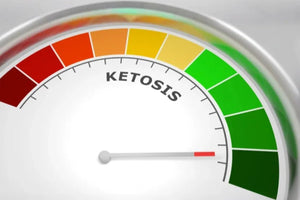
Some people report that once they are firmly in nutritional ketosis (commonly described as blood BHB at or above roughly 0.5 mmol/L), appetite becomes noticeably easier to manage. Meals feel more satisfying for longer, and the urgent carbohydrate cravings tend to fade.
However, individual experience varies considerably. Factors including prior metabolic health, stress levels, activity, and sleep quality can all influence how quickly the adaptation progresses. Expecting a specific number of days is less useful than focusing on what is within your control.
Practical Strategies to Manage Hunger During the Transition
Step 1: Make sure you are eating enough fat
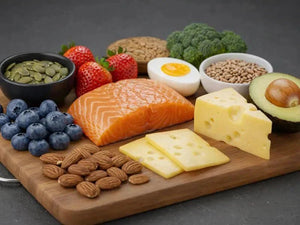
On a ketogenic diet, fat is your main fuel. At each meal, include a meaningful source: olive oil on vegetables, avocado alongside protein, eggs cooked in butter, fatty fish, or a handful of nuts. Hunger that persists after a meal is often a sign that fat intake was too low rather than a signal to avoid eating.
Step 2: Prioritize protein at every meal
Protein supports satiety, muscle preservation, and recovery [5]. Eggs, fish, poultry, beef, and other whole-food protein sources can help extend the feeling of fullness between meals. Aim for adequate rather than excessive amounts — the goal is satisfaction, not extreme intake that may interfere with ketosis for some individuals.
Step 3: Address electrolytes proactively
In the first one to two weeks, pay attention to sodium, potassium, and magnesium. Practical approaches include adding salt to meals, including potassium-rich low-carb foods such as leafy greens and avocado, and considering a magnesium supplement if tolerated. If what you feel is low-level fatigue or general restlessness rather than true stomach emptiness, electrolyte support may help more than extra calories.
Step 4: Use low-carb vegetables for volume
Non-starchy vegetables such as leafy greens, broccoli, cauliflower, zucchini, and cucumber can add meal volume and fiber without meaningfully raising carbohydrate intake. Larger, more filling meals can reduce the psychological experience of restriction, even when total net carbs remain low.
Step 5: Protect sleep
Sleep quality matters for hunger regulation. Aim for consistent sleep timing and adequate duration. If you are finding hunger particularly intense in the days after poor sleep, this connection may be worth noting.
Step 6: Check for hidden carbs
Review labels on any packaged products, sauces, dressings, or beverages. Even small amounts of hidden sugar can keep carbohydrate intake above the threshold for some people, prolonging the adaptation and the hunger that comes with it.
For those who want to go beyond single-point measurement, tracking ketone trends over time with Continuous Ketone Monitoring can provide a clearer picture of how meals, sleep, and activity affect the pace of adaptation — which may help you make more informed adjustments during the transition.
FAQ
Is it normal to feel hungrier on keto than before I started?
Yes, for many beginners this is a common experience during the first days of the transition. The body is adapting to a fundamentally different fuel system, and hunger signals often reflect that adjustment rather than a problem with the diet itself.
How do I know if I'm hungry or just experiencing keto flu symptoms?
True hunger tends to be felt as stomach emptiness or a desire to eat. Keto flu symptoms such as fatigue, headache, or irritability can sometimes overlap with hunger sensations but may respond better to hydration and electrolytes than to food. If eating a full, fat- and protein-rich meal does not resolve the sensation, electrolytes and hydration are often worth addressing next.
Should I eat more if I'm hungry, or try to push through?
If you are genuinely hungry after a meal that included adequate fat and protein, eating more of the same types of food is generally a reasonable response. Severe calorie restriction during the adaptation phase can make the transition harder to sustain. The goal is low carbohydrate, not low food overall.
Will appetite improve once I'm in ketosis?
Many people report that appetite becomes easier to manage once they are more consistently in nutritional ketosis. This is not guaranteed for everyone, and individual results vary, but appetite suppression is one of the effects that some research has associated with established ketosis [4].
Can I use intermittent fasting to speed up the process?
Some people find that time-restricted eating helps accelerate glycogen depletion and support earlier ketone production. However, this approach is not appropriate for everyone, particularly those new to keto who are already managing significant hunger. It may be more useful once initial adaptation is underway.
Conclusion
Intense hunger during the first days of keto is not a sign that the diet is failing or that something is wrong with your metabolism. It reflects a metabolic transition — from glucose dependence toward fat and ketone use — that takes time and support to complete. By ensuring adequate fat and protein intake, addressing electrolytes, protecting sleep, and eliminating hidden carbs, many beginners can navigate this window more comfortably. The hunger often does not last; what matters is understanding why it is there and responding with strategy rather than alarm.
References
- National Center for Biotechnology Information (NCBI). (2025). Ketogenic diet [StatPearls]. https://www.ncbi.nlm.nih.gov/books/NBK499830/
- Paoli A, Rubini A, Volek JS, Grimaldi KA. (2013). Beyond weight loss: a review of the therapeutic uses of very-low-carbohydrate (ketogenic) diets. European Journal of Clinical Nutrition, 67(8), 789–796. https://pubmed.ncbi.nlm.nih.gov/23801097/
- Sumithran P, Prendergast LA, Delbridge E, et al. (2013). Ketosis and appetite-mediating nutrients and hormones after weight loss. European Journal of Clinical Nutrition, 67(7), 759–764. https://pubmed.ncbi.nlm.nih.gov/23632752/
- Gibson AA, Seimon RV, Lee CMY, et al. (2015). Do ketogenic diets really suppress appetite? A systematic review and meta-analysis. Obesity Reviews, 16(3), 285–301. https://pubmed.ncbi.nlm.nih.gov/25402637/
- Harvard T.H. Chan School of Public Health. (2023). Protein. The Nutrition Source. https://www.hsph.harvard.edu/nutritionsource/what-should-you-eat/protein/
Disclaimer
This article is for educational purposes only and does not replace professional medical advice, diagnosis, or treatment. Always seek the advice of your physician or another qualified health provider with any questions you may have regarding a medical condition or dietary change.
Author Information
This article was written by the SiBio Professional Health Content Team, focused on evidence-based metabolic health and keto education content.
Last Updated: April 16, 2026