Reading time: 7 minutes
If you have been eating fat bombs every day to keep your ketones high, you are not alone. In keto communities, a higher ketone number can feel like a scorecard: higher looks better, lower feels like failure, and a creamy, high-fat snack seems like an easy way to push the number up.
But here is the problem: high ketones do not automatically mean better fat loss. A ketone reading tells you that ketones are present in your blood. It does not tell you whether those ketones came from stored body fat, recent dietary fat, fasting, exercise, or a mix of all of the above. That distinction matters if your goal is weight management, metabolic flexibility, or understanding how your body responds to keto.
What Fat Bombs Actually Do on Keto
Fat bombs are small, high-fat snacks often made with ingredients such as butter, cream cheese, coconut oil, nut butter, cocoa powder, or low-carb sweeteners. They can fit into a ketogenic diet because they are usually very low in carbohydrate and high in fat.
In some situations, they can be useful. Someone who is struggling to eat enough during keto adaptation, following a medically supervised therapeutic ketogenic diet, or needing a portable low-carb snack may find them practical. But for everyday weight-loss keto, daily fat bombs can quietly become a habit that adds energy without adding much protein, fiber, or meal volume.
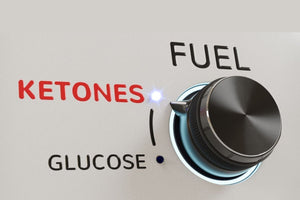
Keto is not simply “eat more fat.” Nutritional ketosis is generally defined as serum ketone levels above about 0.5 mmol/L, and many people reach that state by restricting carbohydrate intake strongly enough to shift fuel use toward fat and ketone production.[1] Adding extra fat may help keep carbohydrate low, but it can also add calories that your body may burn before it needs to draw more deeply from stored fat.
Why Higher Ketones Are Not Always Better
A blood beta-hydroxybutyrate reading is useful, but it is not a full progress report. The International Society of Sports Nutrition notes that blood ketone levels reflect both ketone production and ketone uptake by tissues.[1] In plain English, a higher number may mean you are making more ketones, using fewer ketones, or both.
This is why a single ketone number can mislead. Ketones can shift after meals, exercise, fasting, sleep disruption, stress, and changes in protein or fat intake. A fat bomb may keep your reading higher because it provides dietary fat in a low-carb context. That does not prove your body is losing more body fat.
A 2023 review in the Journal of Lipid Research summarized that ketosis generally shifts substrate use toward ketone body oxidation but does not appear to have a major independent effect on energy expenditure in humans.[2] That is an important reality check: ketones are a fuel signal, not a magic bypass around energy balance.
The Stored-Fat vs Dietary-Fat Question
When carbohydrate intake drops, insulin often falls, fat release from storage may increase, and the liver can turn part of that fat-derived fuel into ketones. That is the basic metabolic logic behind keto.
But the body can also make or maintain ketones while processing fat you just ate. If your day includes several high-fat add-ons, your body has more incoming dietary fat available. For someone trying to lose body fat, the practical question becomes: are you using fat bombs to manage hunger, or are you using them to chase a ketone number?
The difference is not moral; it is mechanical. If a fat bomb helps you avoid a high-carb snack and keeps your overall intake controlled, it may support consistency. If it becomes an automatic daily “ketone booster” on top of full meals, it may slow progress for some people by making it easier to overshoot energy needs.
What the Evidence Says About Keto and Weight Loss
Ketogenic diets may help some people lose weight, especially when they reduce appetite, simplify food choices, or make it easier to reduce overall energy intake. But the evidence does not support the idea that simply producing higher ketones guarantees superior fat loss.
A 2026 systematic review and meta-analysis of randomized trials found that ketogenic diets produced a small additional reduction in body weight compared with higher-carbohydrate diets under comparable prescribed energy conditions, but the certainty of evidence was low and the durability and clinical significance of the advantage remained uncertain.[3]
Public health guidance also keeps the basics in view: weight management is affected by diet quality, physical activity, sleep, stress, medical conditions, medications, and total energy intake. CDC guidance explains that using more calories through activity while reducing calories eaten can create the calorie deficit involved in weight loss.[4] That does not mean keto must be reduced to calorie counting, but it does mean extra fat still counts as extra energy.
A Smarter Way to Use Fat Bombs
Instead of asking, “Will this raise my ketones?” ask, “What job is this food doing?” That question turns fat bombs from a reflex into a tool.
- Use them for a specific purpose. A fat bomb may make sense when you need a low-carb emergency snack, during early adaptation, or when it prevents a higher-carb choice.
- Do not use them as a daily ketone trophy. If the main goal is to make the meter look better, the habit may be serving the number more than your body.
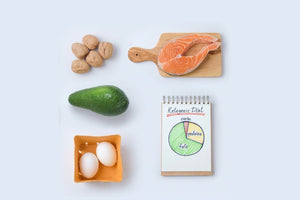
- Prioritize meals first. Build meals around protein, low-carb vegetables, and minimally processed fats such as olive oil, avocado, nuts, eggs, and fatty fish.
- Watch hunger and progress together. If fat bombs reduce cravings and your broader trend is improving, they may fit. If hunger, weight, waist, or energy trends are stalled, reassess.
- Measure trends, not isolated moments. A single reading after a snack is less useful than a pattern measured at consistent times.
How Continuous Ketone Monitoring Can Help
One reason keto can feel confusing is that the body is dynamic. A fingerstick or urine strip captures one moment. It may be useful, but it can miss the larger pattern. Continuous Ketone Monitoring can help people observe trends after meals, fasting windows, exercise, and sleep, making it easier to see whether a habit is truly helping or just creating a short-term number change.
The goal is not to force ketones as high as possible. The goal is to understand your personal response. For many everyday keto users, a stable pattern, good energy, manageable hunger, and sustainable food choices matter more than chasing the highest reading of the day.
Common Mistakes to Avoid
- Mistaking dietary fat for body-fat loss. Eating fat and burning stored fat are related but not identical.
- Ignoring protein. Protein supports satiety and lean tissue. A snack that is mostly fat may not replace a balanced meal.
- Removing vegetables. Low-carb vegetables can support fiber, micronutrients, digestion, and meal volume.
- Chasing one number. Ketones, glucose, weight, waist, hunger, sleep, and energy all provide different pieces of context.
- Using keto snacks to avoid meal planning. Convenience helps, but a snack-based keto pattern can become calorie dense and nutrient light.
FAQ
Are fat bombs bad for keto?
No. Fat bombs are not automatically bad. They are simply high-fat, low-carb snacks. Whether they help depends on your goal, portion size, hunger, total intake, and overall food quality.
Do higher ketones mean faster fat loss?
Not necessarily. Higher ketones show that ketones are available in the blood, but they do not prove faster body-fat loss. Context matters, especially food intake, activity, timing, and trends.
Should I stop eating fat bombs completely?
You may not need to stop completely. A better first step is to stop using them automatically. Try saving them for specific situations and watch whether your hunger, energy, waist, weight, and ketone trends improve.
What should I eat instead?
Start with a real meal: adequate protein, non-starchy vegetables, and a reasonable amount of whole-food fat. This often gives more satiety and nutrition than a sweet, high-fat snack.
Conclusion
Fat bombs can fit a keto lifestyle, but they should not become a daily strategy for chasing higher ketones. A higher ketone number can be interesting, but it is not the same thing as guaranteed fat loss or better metabolic health.
If your goal is smarter keto, use ketone data as feedback, not as a scoreboard. Look at trends, meals, hunger, energy, and long-term consistency. The best keto routine is not the one that produces the highest number after a snack. It is the one your body can sustain while moving you toward better health.
References
- Leaf A, Rothschild JA, Sharpe TM, et al. (2024). International society of sports nutrition position stand: ketogenic diets. Journal of the International Society of Sports Nutrition, 21(1), 2368167. https://pubmed.ncbi.nlm.nih.gov/38934469/
- Fernández-Verdejo R, Mey JT, Ravussin E. (2023). Effects of ketone bodies on energy expenditure, substrate utilization, and energy intake in humans. Journal of Lipid Research, 64(10), 100442. https://pubmed.ncbi.nlm.nih.gov/37703994/
- Żurawski T, Bartosiewicz A. (2026). Do ketogenic diets produce greater weight loss than higher-carbohydrate diets under comparable prescribed energy conditions? A systematic review and meta-analysis of randomized controlled trials. Nutrients, 18(15), 2525. https://pubmed.ncbi.nlm.nih.gov/42588148/
- Centers for Disease Control and Prevention. (2026). Physical activity and your weight and health. https://www.cdc.gov/healthy-weight-growth/physical-activity/
Disclaimer
This article is for educational purposes only and is not medical advice. Ketogenic diets may not be appropriate for everyone, especially people who are pregnant, have diabetes, kidney disease, liver disease, a history of eating disorders, or use glucose-lowering or blood-pressure medications. Always consult a qualified healthcare professional before making major dietary changes.
Author Information
SiBio Professional Health Content Team
Last Updated: September 15, 2026